Beginner route
A practical Romestead guide should help new players stabilize food, shelter, storage, defense, and villager work before chasing late-game upgrades.
Independent Romestead Wiki
Use this Romestead wiki as a clean starting hub for the Roman zombie survival RPG: learn what to build first, how resources and villagers support your settlement, where Steam availability fits, and which guide pages should come next as the Early Access game expands.
What players need first
A practical Romestead guide should help new players stabilize food, shelter, storage, defense, and villager work before chasing late-game upgrades.
Track core resource pressure points, crafting priorities, and which materials deserve early storage space as the settlement grows.
Romestead mixes Roman settlement building with zombie pressure, so this wiki routes combat, gods, bosses, and defense topics into clear guide clusters.
Steam intent is strong for Romestead, so the homepage links only to the official Steam page and keeps update notes separate from unverified downloads.
Beginner guide
Start by reading the map, placing functional structures with room to expand, and keeping production close enough that villagers spend less time walking. In Romestead, an efficient first base matters because every missing resource slows your defense and construction rhythm.
Avoid spending every material the moment it appears. A stronger Romestead start keeps a small reserve for repairs, essential crafting, and emergency defense while still upgrading the buildings that unlock better automation.
Villagers are most useful when their jobs solve the current bottleneck. If wood, stone, food, or hauling becomes slow, adjust work priorities before adding more decorative or distant structures.
Do not wait for the first major threat before thinking about routes, chokepoints, and fallback space. Romestead rewards compact, readable defenses because the survival layer sits on top of the building layer.
The best wiki route treats major systems as milestones: stabilize the village first, then push toward tougher fights, divine mechanics, and expanded production once the basics stop collapsing.
Wiki architecture
Resource pages should explain where materials come from, what they unlock, and when they become scarce.
Building pages should pair costs with real use cases so players know what to place, upgrade, or delay.
Combat pages should cover the threats that interrupt settlement growth and the milestones that unlock deeper systems.
Progression notes
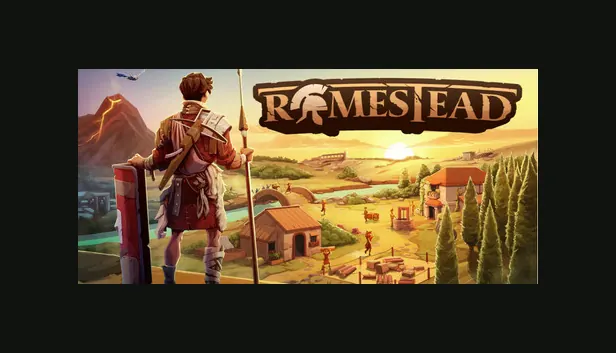
A larger base is only stronger when the production chain can feed it. Before expanding the footprint, make sure the existing Romestead settlement can gather, move, and spend resources without long idle gaps.
Zombie pressure punishes scattered layouts. Keep defensive planning close to your build order: walls, routes, repair access, and combat readiness should grow alongside production.
Romestead villagers and structures work best when each area has a purpose. Group related work, reduce travel waste, and postpone low-priority upgrades until they solve a real problem.
Because Romestead is an Early Access game, wiki advice should be checked against the current Steam build and update notes. Treat exact numbers as version-sensitive until a dedicated data page verifies them.
Official source
Search data shows strong navigational intent for Romestead Steam, Romestead game, and Romestead release date. This site therefore points players to the official Steam listing for purchase, wishlisting, platform details, news, and community discussions instead of mirroring unverified download claims.
Official source
Romestead search intent changes quickly because many players are still discovering whether the game is available, how Steam handles the listing, and which guide pages are current. Treat the Steam app page as the live source for platform support, release wording, screenshots, trailers, system requirements, demo availability, price, and community updates. A fan wiki can organize strategy, but it should not freeze time-sensitive store facts.
For guide content, use the same rule: stable decisions belong in wiki pages, exact values need version context. Settlement layout, resource queues, villager bottlenecks, safe download checks, and co-op planning remain useful even if balance numbers shift. Item costs, boss values, god effects, and demo status should be checked against the current Steam build or official posts before you rely on them.
| Topic | Where to verify | Wiki-safe use |
|---|---|---|
| Steam availability | Official Steam app 1805320 | Link to Steam and avoid unverified installers |
| Demo or playtest access | Steam controls or official developer posts | Explain how to check instead of mirroring files |
| System requirements | Steam store requirements block | Tell players to confirm current PC fit |
| Exact item or boss values | Current build notes and verified gameplay | Mark values as version-sensitive until confirmed |
Romestead is a rising search topic because players are trying to understand the game, find the official Steam page, and learn how the settlement systems fit together. This Romestead wiki homepage is built for those first searches. It gives a clear overview of the Roman survival RPG premise, explains the guide structure that new players need, and separates verified official links from unverified download pages. That matters because a Romestead guide should help players make better decisions without pretending that every exact value is permanent during Early Access.
The most important Romestead player intent is simple: what is the game, where can I get it, and how should I start? The answer is placed near the top of the page. Romestead is centered on building and defending a settlement while managing resources, villagers, threats, and progression milestones. New players should focus on compact production, reliable storage, food stability, and defensive routes before stretching the village too wide. Once the basic settlement works, the next goals are better automation, stronger combat readiness, boss preparation, co-op coordination, and deeper wiki lookup pages for buildings, resources, gods, and enemies.
A complete Romestead wiki should eventually include dedicated pages for resources, buildings, villagers, bosses, gods, maps, co-op roles, achievements, updates, and Steam download guidance. This homepage intentionally keeps those sections as organized hubs instead of inventing thin pages with guessed numbers. For example, resource pages should list source locations, usage priority, crafting dependencies, and version notes. Building pages should include costs, prerequisites, upgrade value, and placement advice. Combat pages should explain zombie waves, boss preparation, defensive layouts, and recovery planning after a failed push.
The Romestead Steam page remains the best source for platform, pricing, system requirements, official news, and community updates. This fan-made Romestead wiki links to Steam clearly and does not host cracked files, unofficial installers, or unsafe mirrors. Download-intent keywords such as Romestead free download and Romestead demo download exist in search data, but the safe answer is to use official sources only. As the game changes, the wiki should update visible dates, version notes, and exact data tables so players can tell which Romestead advice is current.
For AI search and traditional search, this homepage keeps the core answer in crawlable text. The main keyword Romestead appears in the H1, introduction, guide sections, Steam section, FAQ, image alt text, and concluding copy. The page also uses structured modules instead of filler: a beginner route, database roadmap, progression notes, official source block, and FAQ. That gives players a real path through Romestead while giving the site a clean foundation for future guide pages.
FAQ